
Keywords: Containment; Engineering; Pharmaceutical Manufacturing; Risk Assessment
Key Takeaways:
- In the event of conflicting criteria, personnel safety must always take precedence over GMP requirements.
- The most appropriate containment solution for each facility should be based on a holistic assessment.
Specific Characteristics of Highly Potent Substances
Highly potent substances are potent active pharmaceutical ingredients (HPAPIs) — High-Potency Active Pharmaceutical Ingredients — used in pharmaceutical products. The definition of an HPAPI varies depending on the literature consulted; however, there is a general consensus that APIs are considered potent when they fall into one of the following categories [1]:
- They exhibit biological activity at approximately 150 μg/kg body weight or less in humans.
- They require a therapeutic daily dose (DDD) of 10 mg or less.
- They have an occupational exposure limit (OEL) of 10 μg/m³ of air or less, based on an 8-hour time-weighted average (TWA).
- They exhibit high selectivity (the ability to bind to specific receptors or inhibit specific enzymes) and/or have the potential, at low doses, to cause cancer, mutations, developmental effects or reproductive toxicity.
- Any novel compound of unknown potency and/or toxicity.
The harmful toxicological effects on health [2] that HPAPIs may cause are related to:
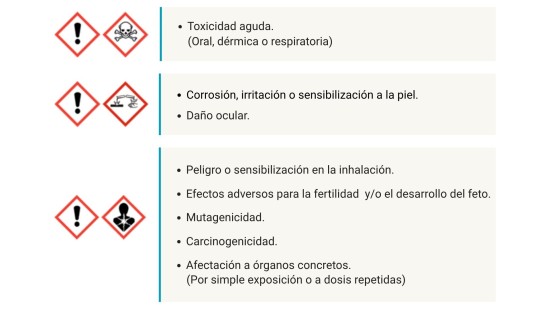
Figure 1. Hazard pictograms
The relationship between the specific potency and toxicity values of the substances establishes a risk gradient associated with each substance:
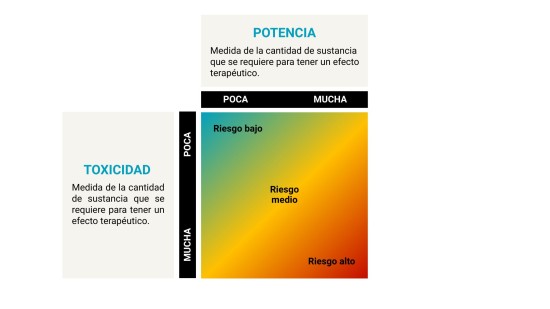
Figure 2. Risk matrix associated with a substance
Adicionalmente, las sustancias pueden tener otros riesgos asociados a sus características físicas (explosividad, inflamación, corrosividad…) o al riesgo que suponen para el medio ambiente.
Dada la gran diversidad de sustancias HPAPI, sus riesgos y efectos asociados, nos encontramos con la necesidad de categorizarlas, con el fin de poder asociarles un nivel de riesgo para el cual podamos definir unas adecuadas soluciones de contención, puesto que el coste económico y las dificultades en la operatividad de la planta son aspectos muy variables en función de la solución técnica definida.
Panorama global de la producción farmacéutica con HPAPIs
La importancia de las sustancias de alta potencia en el mercado farmacéutico se incrementa año tras año, donde la búsqueda de tratamientos cada vez más enfocados y personalizados, impulsa el desarrollo y uso de sustancias de alta potencia que requieren cantidades muy reducidas para obtener efectos terapéuticos.
Actualmente, una cuarta parte de la manufactura farmacéutica se destina a producciones que contienen HPAPIs [3], también un cuarto de los nuevos medicamentos corresponde a formulaciones con HPAPIs [4] y el 60% de los medicamentos en desarrollo incorporan dichas sustancias [3].
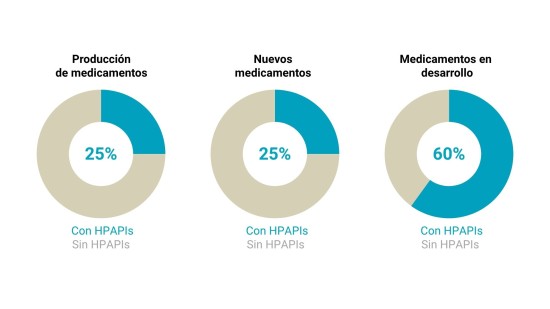
Figure 3. Share of HPAPIs in global pharmaceutical production
When current pharmaceutical manufacturing processes involving highly potent substances are broken down by category, it can be seen that most HPAPIs used are produced through chemical synthesis, although a significant proportion are of biotechnological origin [5]. Likewise, most treatments for which these HPAPI-containing formulations are intended are focused on oncology, followed by hormonal treatments [4]. HPAPI-containing medicines are predominantly available in solid dosage forms (capsules, tablets and granules), followed by liquid/injectable formulations and, to a lesser extent, semi-solid or other formats [6].
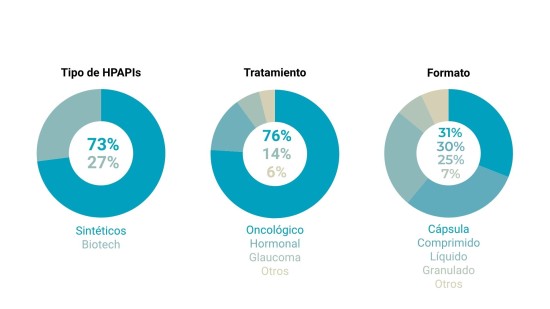
Figure 4. HPAPI types and production breakdown
Risk Assessment Methodology
The methodology for conducting a containment risk assessment can be approached in several different ways. One approach is based on the principles established by the ICH [7] for quality risk management in pharmaceutical products, which the ISPE (International Society for Pharmaceutical Engineering) subsequently adapted for its Risk-MaPP methodology [8] and its later containment guideline [9]:
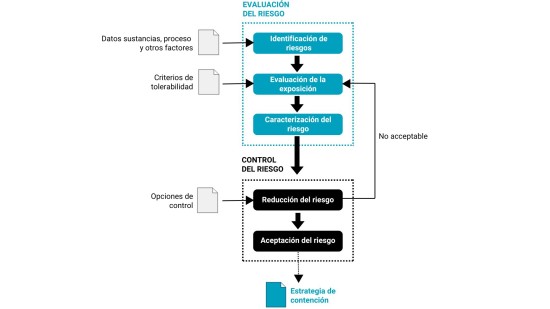
Figure 5. Containment risk assessment methodology
The risk associated with an operation is linked to the hazard posed by the substance being used, as well as the way in which it is handled:
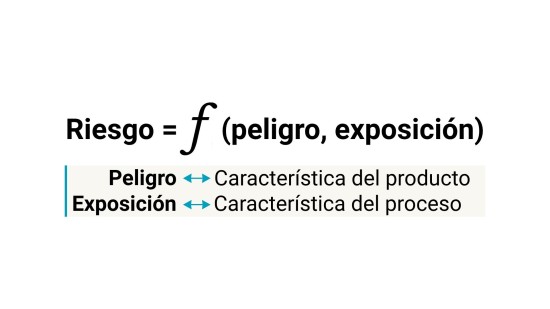
Figure 6. Risk Function
To control a risk, the first step is to consider whether the substance causing the hazard can be substituted or eliminated. If this is not possible, technical and operational measures should be implemented to reduce exposure to the hazard, with the aim of reducing the risk to acceptable levels.
Therefore, the first step is to identify both the significant characteristics of the hazardous substances and the details of the process being assessed. The main variables to be collected during the risk identification phase are the physical characteristics of the substances and their exposure limit values, as well as the quantity of substance involved and the significant stages of the process, including their associated durations and the technology used in the operation:
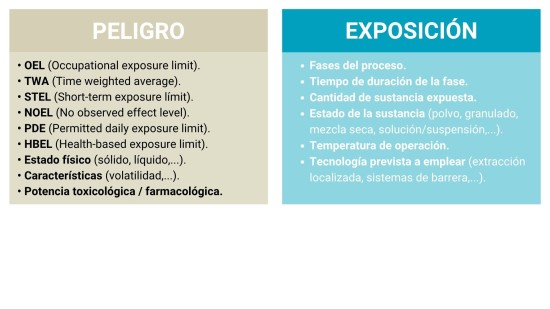
Ilustración 7. Conceptos principales asociados al riesgo
Existen varios sistemas para la evaluación del riesgo de los productos y procesos a manejar, la mayoría de los cuales se basan en llegar a una categorización donde se establezcan medidas de contención asociadas. Uno de los métodos más extendidos para la categorización del riesgo de los productos son las bandas de exposición OEB (Operational Exposure Bands) [9] [10]:
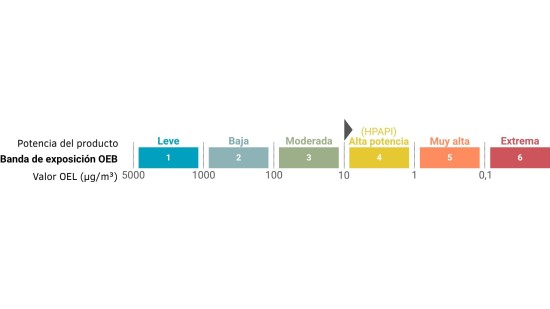
Figure 8. OEB Exposure Bands
Following the methodology established by ISPE [9], once the characteristics of the substances are known, they are classified according to their Spread Potential (SP). This value is then combined with the quantity and exposure time to determine the Exposure Potential (EP) involved. The EP is subsequently compared against the assigned Occupational Exposure Band (OEB) in a risk matrix, with the aim of determining the Primary Containment Strategy (PCS). This strategy defines the first level of containment required to protect the operator from the product.
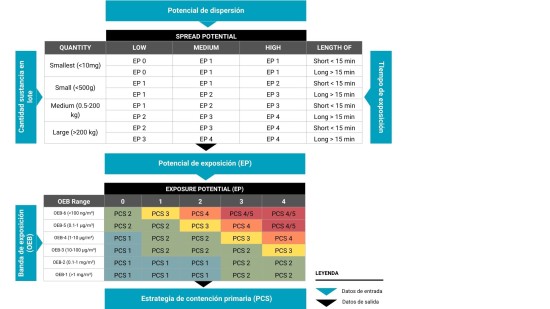
Figure 9. Methodology for Assessing Primary Containment Risk
Similarly, the Migration Potential (MP) will be determined by considering the likelihood of residual material from the substance dispersing after cleaning and decontamination, together with the potential quantity that could be dispersed. This value is then assessed in another risk matrix against the assigned Occupational Exposure Band (OEB) to determine the Secondary Containment Strategy (SCS). This strategy defines the second level of containment required to protect the facility from the product.
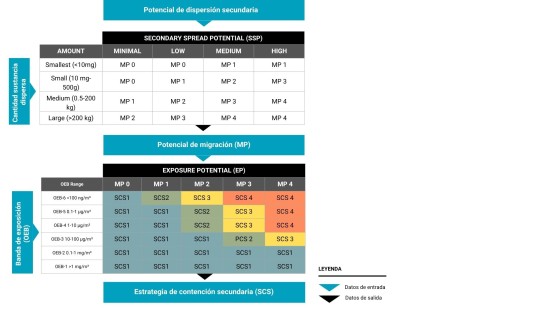
Figure 10. Methodology for Assessing Secondary Containment Risk
The boundary of the secondary containment system defines the perimeter of the containment area.
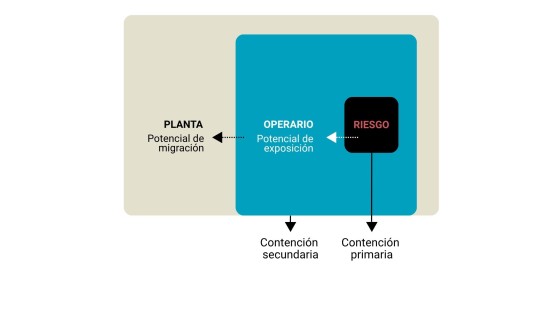
Figure 11. Primary and Secondary Containment Concepts
The strategy for directly protecting operators within the containment area through the use of personal protective equipment (PPE) will be determined once the quantity of hazardous substance present in the room has been calculated, taking into account the leakage rate of the primary containment equipment, the dilution capacity of the room’s HVAC (Heating, Ventilation and Air Conditioning) system, and the operator’s exposure over the defined period. The objective is to ensure that the applicable exposure limits are not exceeded, including NOEL values, daily/shift exposure limits (OEL, TWA, PDE, HBEL, etc.), and short-term exposure limits (STEL).
Design Process for a High-Containment Facility
Once the risks present in the facility have been identified, assessed and characterised, the most appropriate solutions for the facility must be conceptualised. A layout will be defined that meets both GMP (Good Manufacturing Practices) and HSE (Health, Safety and Environment) requirements, taking into account that, in the event of conflicting criteria, personnel safety requirements must always take precedence over GMP requirements.
The primary objective of GMP criteria for pharmaceutical manufacturing areas is to prevent the environment from contaminating the product. Once the containment area has been defined, the first step is to establish the most appropriate pressure and airlock criteria to also ensure that nothing can escape from the containment area. For this reason, negative pressure is maintained in the highest-risk areas, with pressure cascades, bubbles, pressure sinks, or combinations thereof established in adjacent airlocks, depending on the planned gowning procedures and the required criticality of the containment strategy.
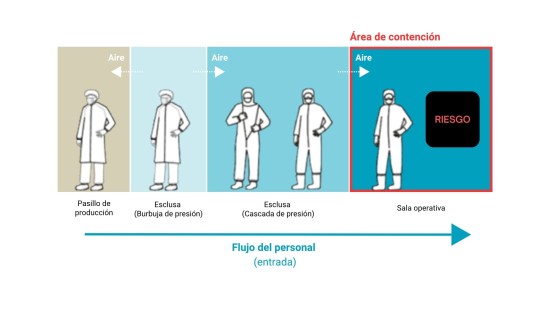
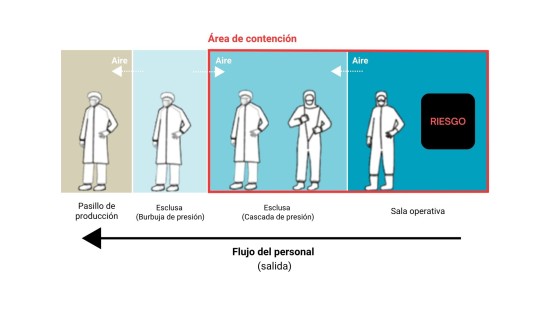
Figure 12. Example of personnel airlock layout for a containment area
With regard to room classifications, all applicable GMP requirements will be complied with, depending on the type of facility and manufacturing process under consideration. Annexes 1 and 2 of the European GMP guidelines for the manufacture of sterile medicinal products and biological medicinal products, respectively [11] [12], are the main reference documents.
Technologies and Equipment Associated with Containment Strategies
Once the primary (PCS) and secondary (SCS) containment strategies identified through the risk assessment have been established, the most appropriate solutions must be defined to ensure the required level of containment for the processes to be carried out. Some of the most commonly used technologies are described below:
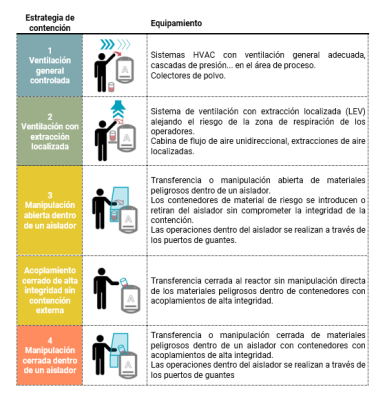
Figure 13. Primary Containment Strategies and Associated Equipment
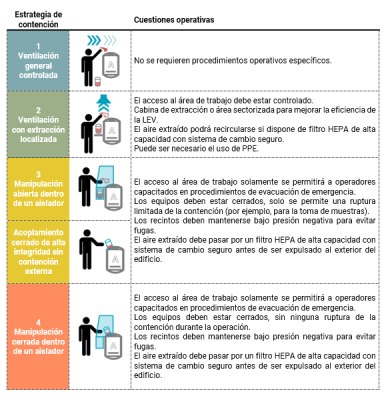
Figure 14 – Secondary Containment Strategies and Associated Operational Considerations
The selection of the most appropriate containment solution for each facility should be based on a holistic assessment that considers all the factors involved and the specific characteristics of the process, such as the particular requirements of multiproduct facilities, the desired production intensity, the available budget, the impact on personnel availability and operational flexibility, the level of redundancy defined for critical utilities, etc.
All these factors will influence and determine the selection of certain solutions over others. This selection and elimination process should be carried out by a multidisciplinary working group together with the Client, in order to ensure that the facility’s containment design is fully aligned with the expected operational requirements and capabilities.
Conclusions
The design of pharmaceutical manufacturing facilities handling products that pose a certain level of risk and require containment measures is becoming increasingly standardised, largely due to the growing use of HPAPIs in pharmaceutical formulations.
Only through a systematic risk assessment during the engineering phase, based on reliable data on the substances and formulations involved and tailored to the parameters of the intended manufacturing process, can the containment area and its appropriate treatment be properly determined.
The main objective is to adopt a global approach that takes into account all the operational particularities of the facility, enabling the successful completion of the design process for a high-containment facility with appropriate technical and operational solutions that ensure both the safety of personnel involved in production and the quality of the pharmaceutical products manufactured.
The success of a facility design incorporating containment solutions lies in identifying the precise solution that meets the needs of the process, addressing the safety requirements of this type of facility while also ensuring the economic and operational sustainability of the project.
Lista de abreviaturas
(indicadas en el orden de aparición)
HPAPI: Ingrediente farmacéutico activo de alta potencia (High-Potency Active Pharmaceutical Ingredient)
API: Ingrediente farmacéutico activo (Active Pharmaceutical Ingredient)
DDD: Dosis diaria definida (Defined Daily Dose)
OEL: Límite de exposición ocupacional (Occupational Exposure Limit)
TWA: Promedio ponderado en el tiempo (Time-Weighted Average)
ICH: International Council for Harmonisation of technical requirements for pharmaceuticals for human use
ISPE: International Society for Pharmaceutical Engineering
Risk-MaPP: Risk-based Manufacture of Pharmaceutical Products
STEL: Límite de exposición a corto plazo (Short-Term Exposure Límit)
NOEL: Nivel sin efecto observable (No Observed Effect Level)
PDE: Exposición diaria permitida (Permitted Daily Exposure)
HBEL: Límite de exposición basado en la salud (Health-Based Exposure Límit)
OEB: Banda de exposición operacional (Operational exposure band)
SP: Potencial de dispersión (Spread potential)
EP: Potencial de exposición (Exposure potential)
PCS: Estrategia de contención primaria (Primary containment strategy)
MP: Potencial de migración MP (Migration potential)
SCS: Estrategia de contención secundaria (Secondary containment strategy)
PPE: Equipos de protección personal (Personal protective equipment)
HVAC: Calefacción, ventilación y aire acondicionado (Heating, Ventilating and Air Conditioning)
GMP: Buenas prácticas de fabricación (Good Manufacturing Practices)
HSE: Seguridad, salud y medioambiente (Health, Safety and Environment)
EMA: European Medicines Agency
LEV: Extracción localizada (Local Exhaust Ventilation)
HEPA: Filtro de aire de alta eficiencia (High Efficiency Particulate Air)
RABS: Sistemas de barrera con acceso restringido (Restricted Access Barrier Systems)
Ilustaciones
Ilustración 1. Pictogramas de riesgo
Ilustración 2. Matriz de riesgo asociado a una sustancia
Ilustración 3. Peso de los HPAPIs en la producción global
Ilustración 4. Tipologías de HPAPIs y desglose producciones
Ilustración 5. Metodología de análisis de riesgos de contención
Ilustración 6. Función del riesgo
Ilustración 7. Conceptos principales asociados al riesgo
Ilustración 8. Bandas de exposición OEB
Ilustración 9. Metodología de evaluación del riesgo relativo a la contención primaria
Ilustración 10. Metodología de evaluación del riesgo relativo a la contención secundaria
Ilustración 11. Conceptos de contención primaria y secundaria
Ilustración 12. Ejemplo de definición de esclusas de personal de un área de contención
Ilustración 13. Estrategias de contención primaria y equipamiento asociado
Ilustración 14 – Estrategias de contención secundaria y asuntos operativos asociados
Bibliografía
- Bormett, D., 2008. “High-potency APIs: Containment and handling issues”. Pharmaceutical Technology Vol 2008 Supplement, Issue 4.
- WHO, 2025, “Globally Harmonized System of classification and labelling of chemicals (GHS)”, Rev. 11
- Website European Pharmaceutical Manufacturer – Understanding the HPAPI sector
- McCleary, K., 2019 “Manufacturing of highly potent APIs with best-practice safety and containment control procedures”, American Pharmaceutical Review 2019 (September/October):144
- Website Grand View Research – High potency active pharmaceutical ingredients market (2026 – 2033)
- Website Roots analysis – Cytotoxic drugs and HPAPI manufacturing market
- ICH, 2025, “Guideline – Q9 (R1) Quality risk management”, Step 5 – Revision 2.
- ISPE, 2017, “Baseline Guide Vol 7: Risk-based Manufacture of Pharma Products (Risk-MaPP)”, 2nd Ed.
- ISPE, 2022, “Good Practice Guide: Containment for potent compounds”.
- Lentz, TJ et al., 2019, “NIOSH Technical report – Occupational exposure banding process for chemical risk management”. DHHS (NIOSH) Publication No. 2019-132
- EMA, 2022, “EudraLex vol. 4 – Annex 1 Manufacture of sterile medicinal products”.
- EMA, 2022, “EudraLex vol. 4 – Annex 2 Manufacture of biological active substances and medicinal products for human use”.